
Imagine if you had tens of thousands of volunteers who were motivated to give their time simply because they wanted to make the world a kinder, fairer place. Imagine that their volunteering plugged gaps left unfilled by government and neighbours. Imagine that all these helpful souls needed was somewhere safe and warm to operate from, but without that, they’d have to give up and go home.
This isn’t hard to imagine, of course, because it’s the situation the government finds itself in vis à via the vast array of community work done or hosted by the nation’s places of worship.
The National Churches Trust has estimated that the social and economic wellbeing benefit of the UK’s churches is worth £55bn. That takes the form of food banks, warm spaces, debt counselling, after-school clubs – providing the safety net that prevents people in need from slipping further into poverty or isolation and potentially require more costly intervention by the state.
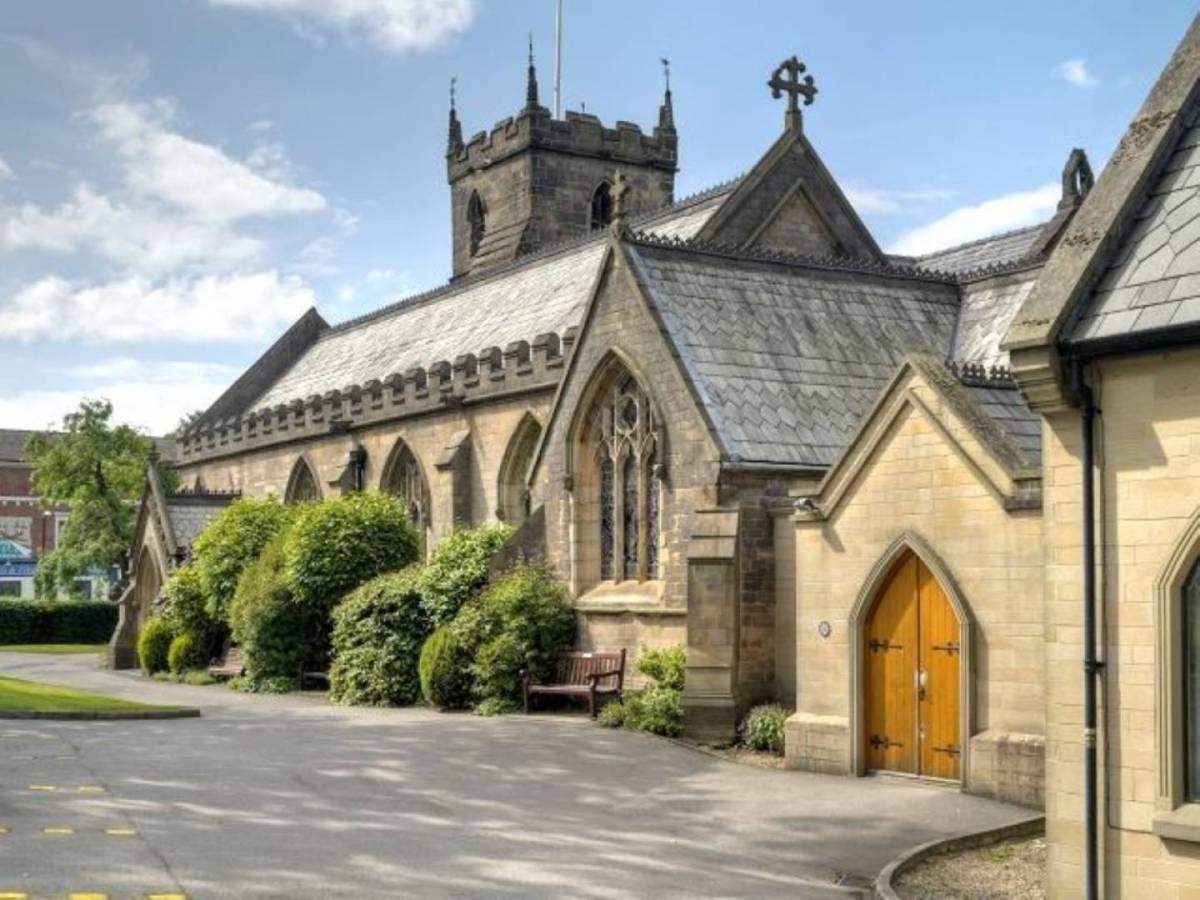
You’re not going to attract a dementia café or mums and toddlers club to an unheated Victorian barn.
Because many churches are old, leaky and creaky, (some 45 per cent of the UK’s Grade I listed buildings are maintained by the CofE), their congregations want to do the only responsible thing and fix the roof, update the windows, install more efficient heating. You’re not going to attract a dementia café or mums and toddlers club to an unheated Victorian barn.
What made such repairs easier was the Listed Places of Worship Grant scheme put in place in 2001 by Gordon Brown, Reeves’ predecessor as chancellor (rewind past the Tory ones and Alistair Darling), which allowed Listed Places of Worship grants to cover the VAT on repair bills higher than £1,000. Brown understood the contribution faith communities would willingly make.
Yet in April it was suddenly announced that the scheme would only award grants up to £25,000, leaving any major project that was under way or about to begin either scrabbling to find hundreds of thousands of pounds or having to go back to the drawing board to be scaled down. A few churches have supporters with deep pockets, most don’t.
As the Archbishop of York, Stephen Cottrell, told the Sunday Telegraph, “The vast majority of fundraising for our churches is done locally by heroic volunteers and we are deeply grateful for all they do. For more than 20 years, they have relied on the Listed Places of Worship Grant Scheme to give that crucial bit of extra help.” There are fears it could be scrapped all together.

Clearly, ahead of Wednesday’s autumn budget, the chancellor, Rachel Reeves is having to hunt behind every sofa cushion to find cash that can be put towards reducing the national debt. Aside from these buildings’ heritage value, ending the Listed Places of Worship scheme might make some sense if churches only served as a self-righteousness boost for the few.
But a survey published by the Church of England late last week found that two in five people, or 43 per cent of all adults, reported having had contact with their local church, 23 per cent of those – nearly seven million people in the UK – “for community support such as parent toddler groups, lunch clubs and food banks”. The CofE, which runs or supports 31,300 social action projects, estimates that “2.8 million people, 4 per cent of the UK population, have been in contact with their local church for a food bank.”
The churches have shown themselves to be a trusted partner of government. They shut their doors during the pandemic, aware they had to set an example to other faith communities even though many of their own members were furious; they rallied support for the Coronation of King Charles with the bellringing initiative Ring for the King.
Yet even cathedrals, irreplaceable treasures, are not immune. Jo Kelly-Moore, Dean of St Albans and Chair of the Association of English Cathedrals, said: “The threat to end the Listed Places of Worship Grant, and the cap currently imposed, is having a hugely negative impact on our cathedrals, many of which have long-term repair and renewal projects costing hundreds of thousands of pounds.” Cathedrals are often criticised for charging visitors to look around, yet how else are they supposed to keep the lights on? (And they do stress that anyone wanting a space to pray can be shown in without charge.)
Cutting costs where heritage places of worship are concerned is short-term thinking. Churches come with ready-made goodwill and generally accessible premises. If churches cannot host community events because they are too cold or simply unsafe, alternative provision will sooner or later end up costing the state, undermining what Ms Reeves is trying so hard to achieve.


 Commentrary